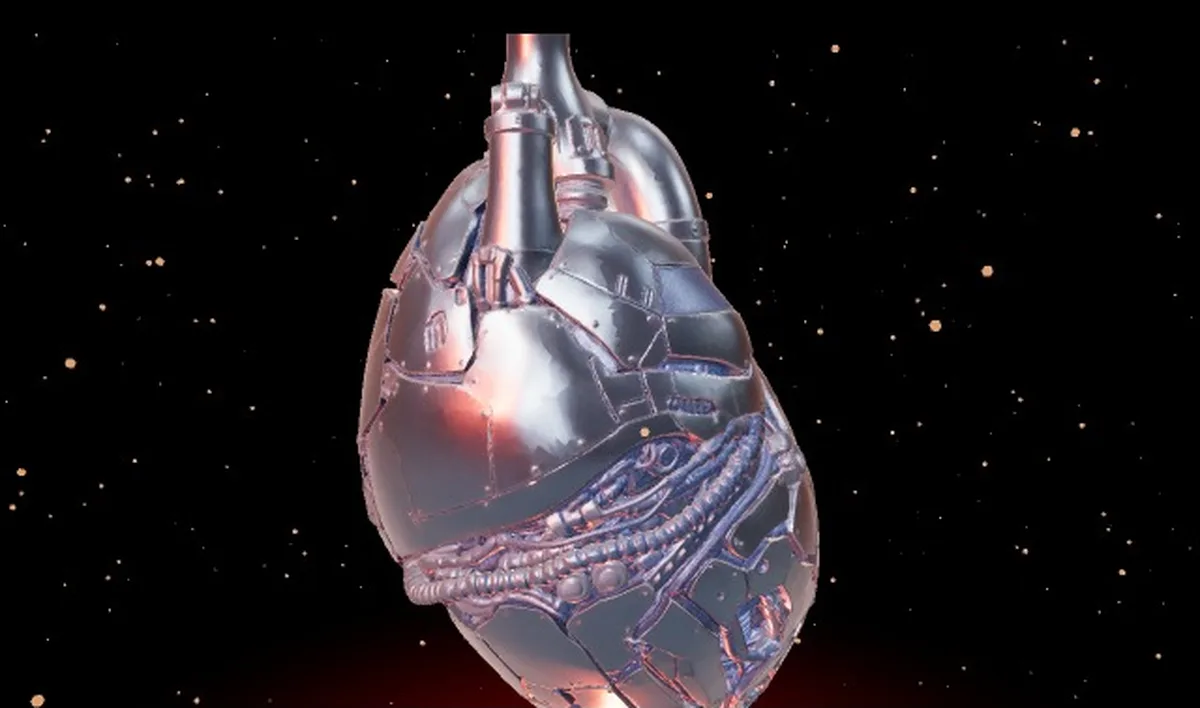
True 3D: lit models that move with the music
Hearts, roses, eyes and more on the GPU engine, with lighting and camera moves tied to the song.
Learn more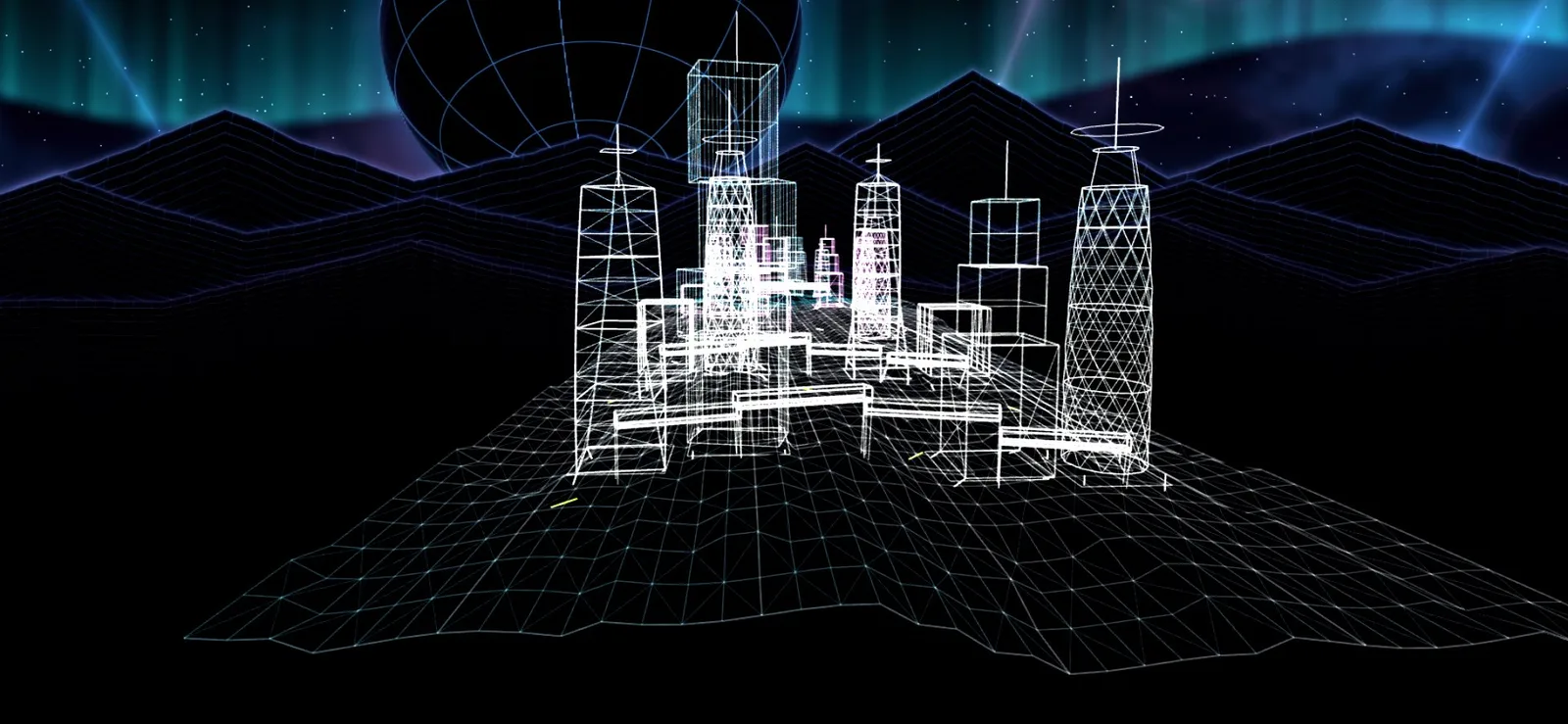
live visual direction for music, in active development on Windows. Explore Stage.
Tempo, rhythm, dynamics and larger musical change become stable control signals. Stage follows the song, not just the beat.
Learn moreThe Visual Director weighs musical evidence against scene history, pacing and reaction limits, then decides whether a scene holds or changes.
Learn moreParticle fields, reaction diffusion, True 3D models, image fields, live camera particle fields, feedback worlds and post effects, each with its own motion and depth.
Learn moreStage runs on Windows with a dedicated GPU. Install, pick an audio input and the Director takes it from there. Licensing opens at launch.
Launch details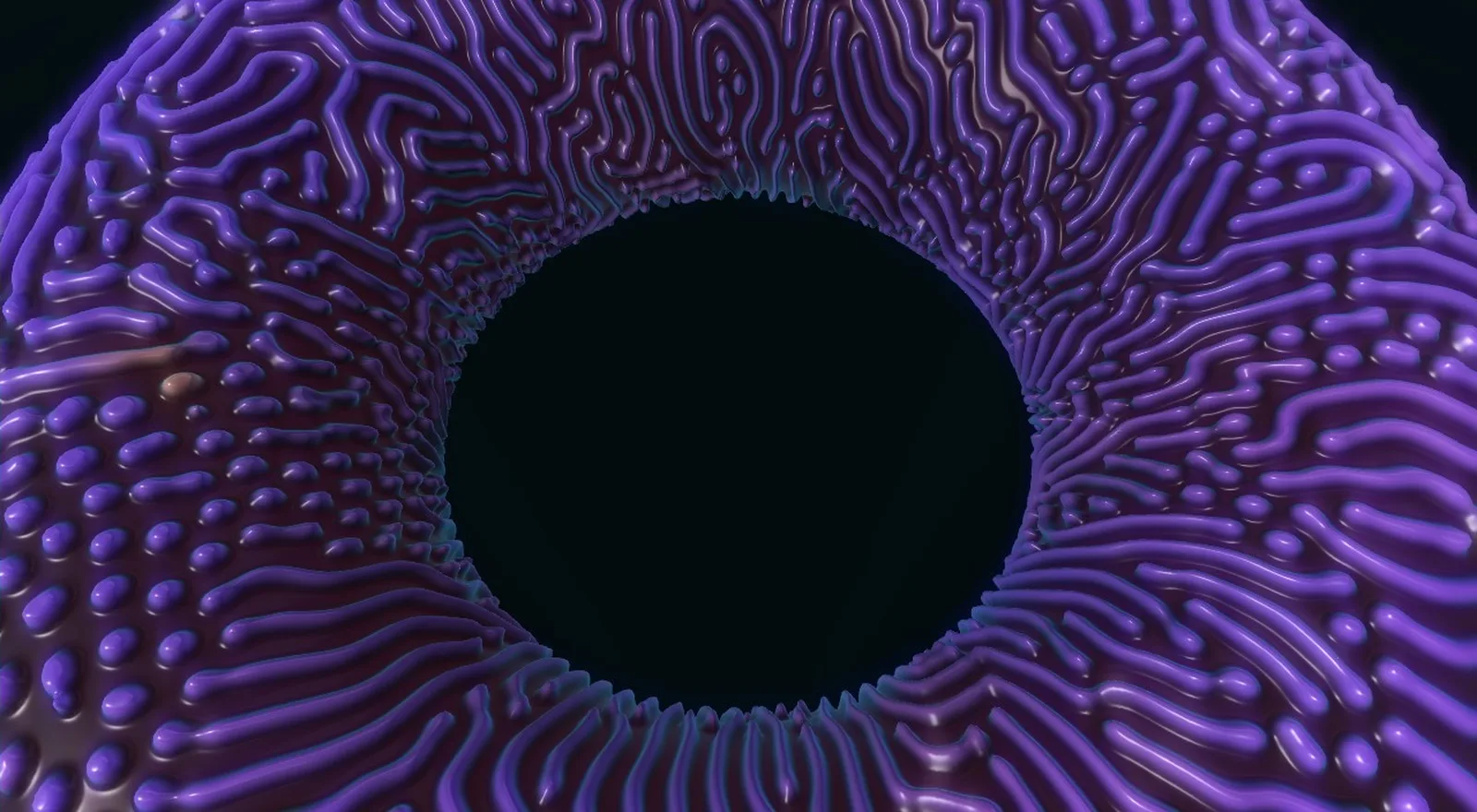
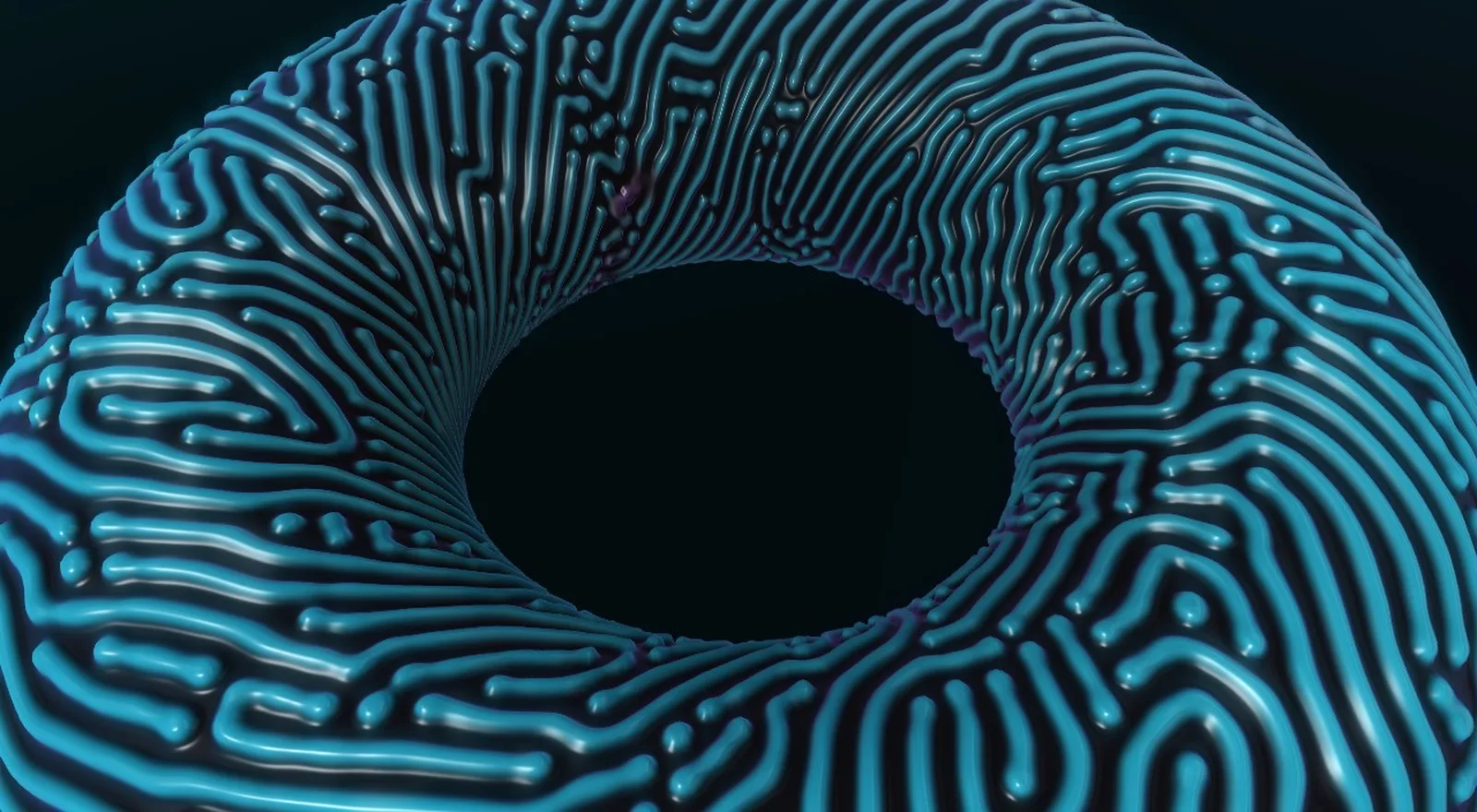
Seven presets grow patterns from the music itself. Bars set the rhythm of growth, drops reseed the surface, and the Director can steer the range live.
See the visual familiesHearts, roses, eyes and more on the GPU engine, with lighting and camera moves tied to the song.
Learn more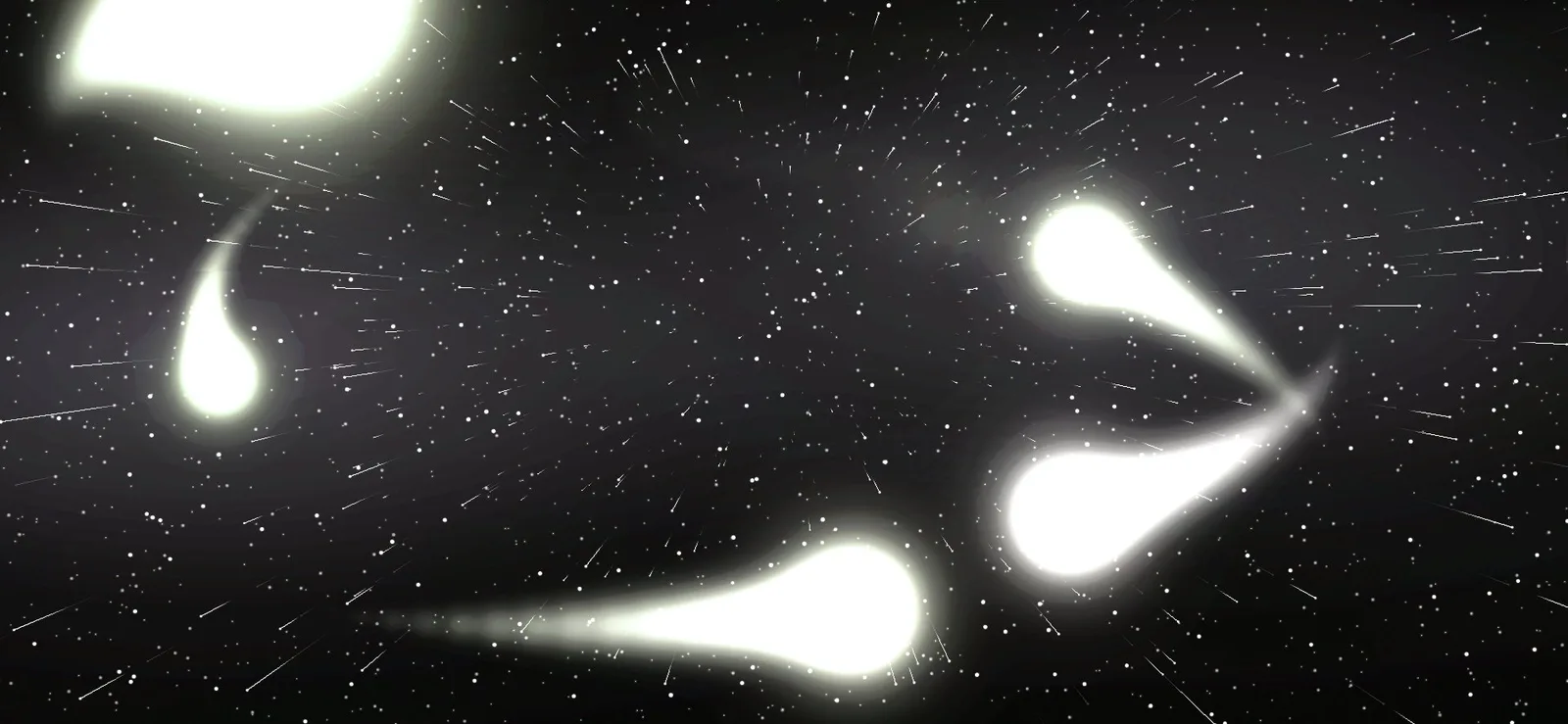
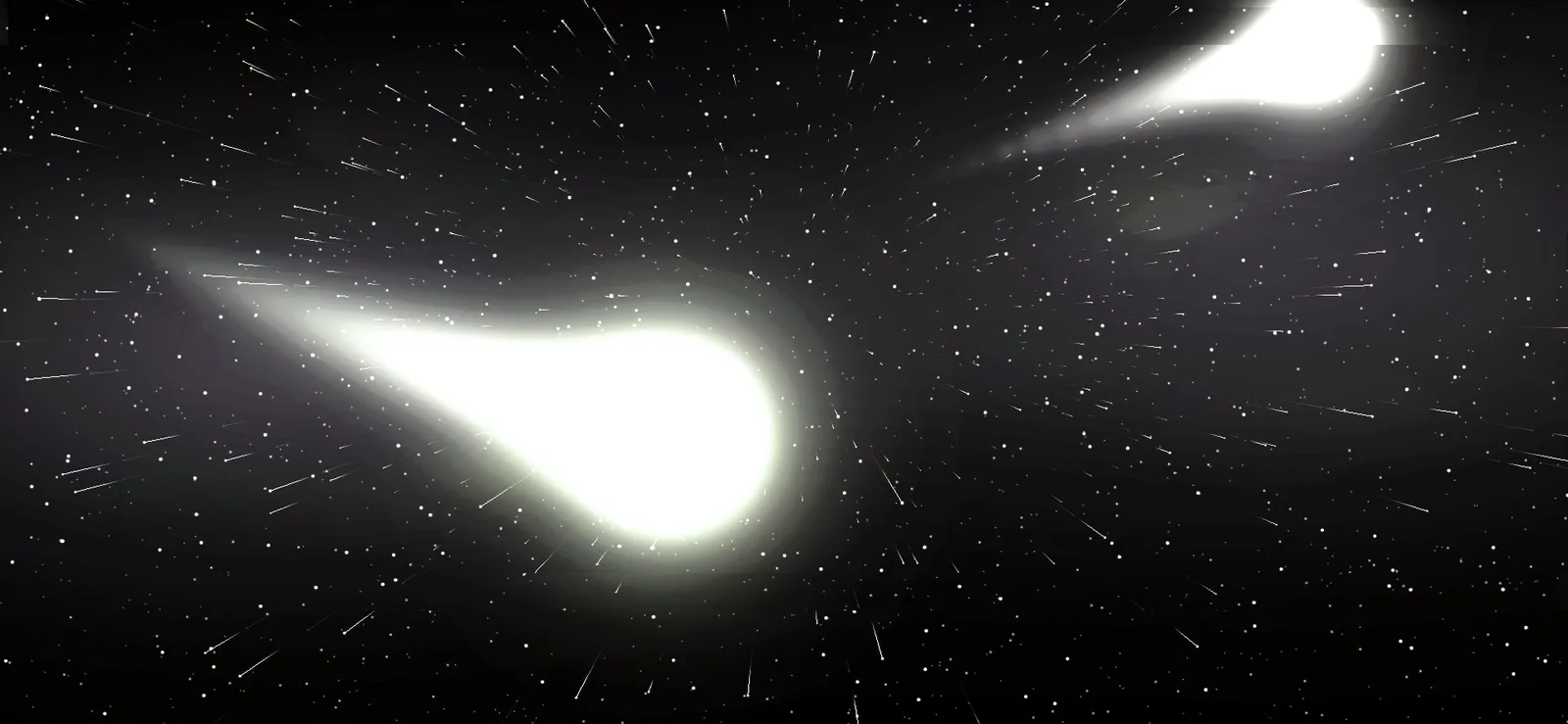
Every drum hit is born as a particle. Bars and drops come from the app's own analysis.
Learn more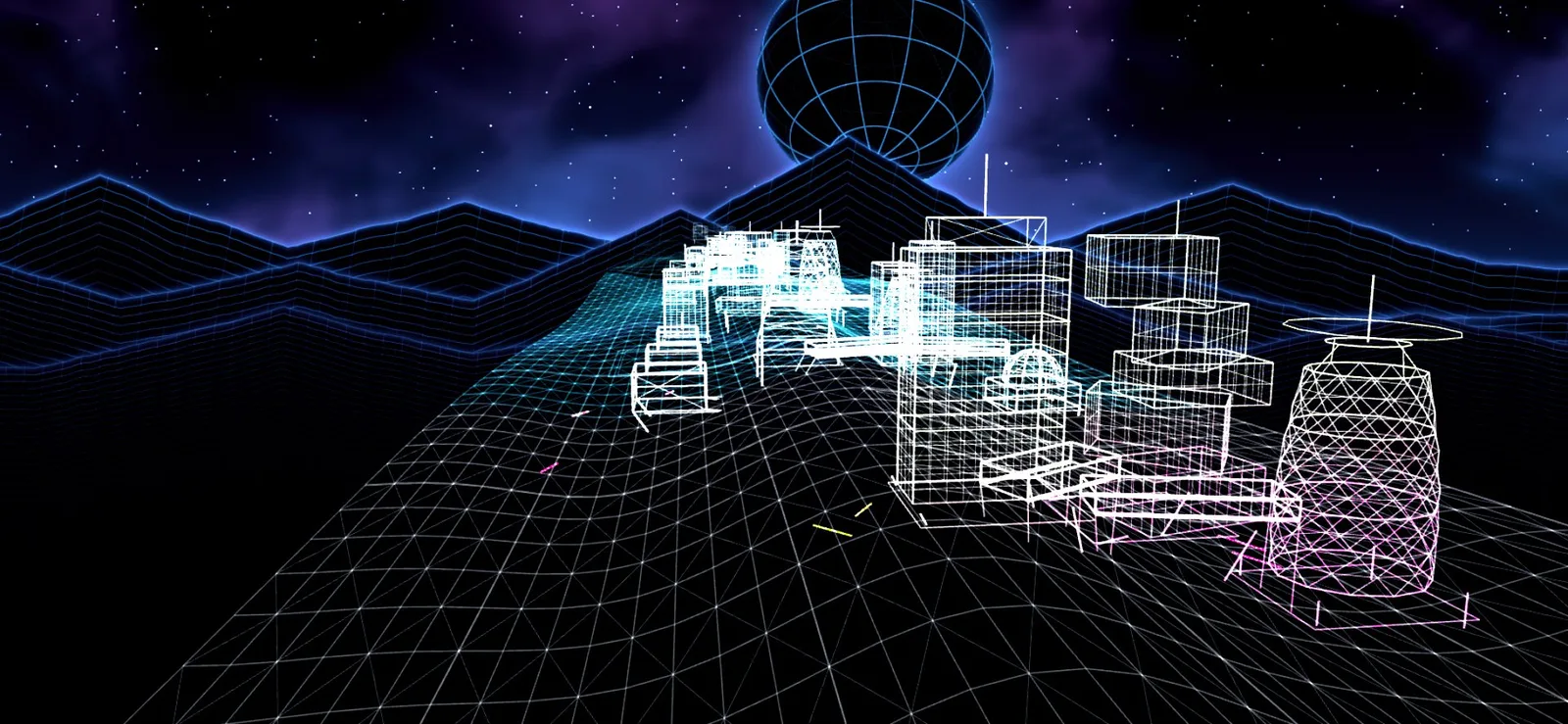
Files, line input, computer audio and live stems share one tempo tracker, so the grid is the same wherever the music comes from.
Learn morePoint a camera at the stage and the performers become a particle cloud in 3D: cut out from the background, given depth, and rendered in nine looks that move with the music.
How the camera family worksAn independent creative-software company focused on realtime interaction between sound, image and performance. Stage is the first product.
Timing and larger changes matter alongside raw amplitude.
Detail and composition matter even at high density.
Render lifecycle, recovery and switching behaviour are product quality.
Experimental systems stay labelled as experimental until validated.